Cranberry Lake Biological Station
Indigenous Writer in Residency

About the Program
The CLBS Indigenous Writer in Residence program began in 2022. Its creation was spurred by the work of Dr. Robin Wall Kimmerer who has and continues to draw inspiration from and write at Cranberry Lake Biological Station. The residency seeks to provide Indigenous writers with the space, time, and place to explore their creative endeavors.
The Residency
Cranberry Lake Biological Station is located in the heart of the Adirondack Park, on the ancestral lands of the Mohawk Nation of the Haudenosaunee Confederacy and has been in use as a living classroom for 105 years. CLBS provides seclusion for research, teaching, contemplation, and creative endeavors.
Three, three−week residencies are available each year, with some flexibility based on the writer's schedule: late May – mid- June, mid-June – early July, and mid-July – early August. Housing, meals, and a workspace will be provided, in addition to a $1000 travel stipend. The resident will also have access to all facilities including canoes, classroom spaces, microscopes, and the ability to join classes if desired. Additional needs and requests will be considered on a case−by−case basis. The residency is jointly supported by the Center for Native Peoples and the Environment and Cranberry Lake Biological Station.
Applications for Summer 2026 will open on December 15, 2025 close on February 15, 2026. To receive updates about the program sign up for the CLBS mailing list below.
Meet the 2026 Writers in Residence
Kurt Naquin (they/them; Houma) is a qualitative researcher, Indigenous scholar, and creative writer from the Gulf South, currently based in North Carolina. They are a PhD candidate at North Carolina State University where their research focuses on relational and Indigenous approaches to climate adaptation planning and positions cultural programming as critical adaptation strategies. Their creative writing draws on the Houma creation story, Gulf South tenacity, family recipes, and the region’s environmental justice and political history to explore change, uncertainty, belonging, and continuance in the face of climate change and land loss. While at Cranberry Lake, they plan to work on a collection of poetic essays titled Recipes for Ancestral Transformations and short fiction exploring entwined political and ecological histories in the Indigenous Gulf South.
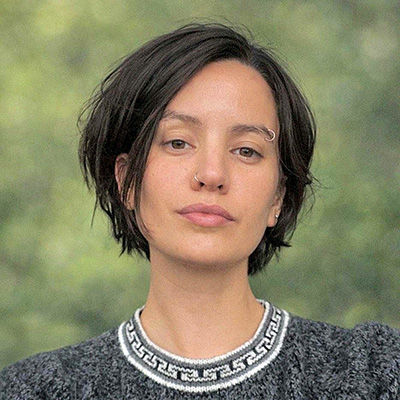
Claire Maracle is a Kanien’kehá:ka (Mohawk) member of the Six Nations of the Grand River, raised on Muscogee, Osage, and Cherokee land. This experience directly informs their work in rematriation and their conviction that language is the key to transcending displacement. They are Executive Director of Words of the People, an Indigenous Language creative organization. Their poetry has appeared in This Land Press, Anti Heroin Chic, Emerge Magazine, New Words Press, Wayfarer Magazine and elsewhere.
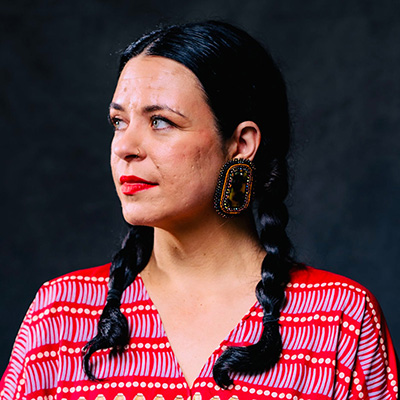
Hannah Chouteau is a Tsistsistas and Kaáⁿze (Southern Cheyenne and Kaw) writer from Oklahoma City, Oklahoma. She is currently working on her M.F.A. in fiction and screenwriting at the University of Texas at Austin’s Michener Center for Writers. Her work explores themes of displacement, homelands and haunting and has been featured in Tupelo Quarterly, where she was a finalist for the Prose Prize in 2024.
Past Writers in Residence
2025
Brenna Yellowthunder
Elliott Chemberlin
Marie Burdett
2024
Leslie Logan
Miccki Garrity
Taylor Rae
2023
Abraham Francis
Shaawan Francis Keahna
Skylar Kahentakwas Fetter
Gillian Herrera
2022
Stephanie Morningstar
Erica Wood