Dale L. Travis Lecture Series
Connecting Community to Science and Research at ESF

The Dale L. Travis Lecture Series was created to help the greater community learn about the incredible work and research happening at ESF. Featuring the College’s world-class faculty and renowned field experts, the lectures — which are free and open to the public — demonstrate how they push the boundaries of knowledge and research in their academic specialties.
Register for Our Next Lecture
Haíɫzaqv Wolf and Biodiversity Project:
learning from, and about, the Place of Wolves
Dr. Kyle Artelle,
Assistant Professor, Environmental Biology, SUNY ESF
Co-Director at ESF's Center for Native Peoples and the Environment (CNPE)
7 p.m. | Thursday, Sept. 24
Gateway Center | SUNY ESF
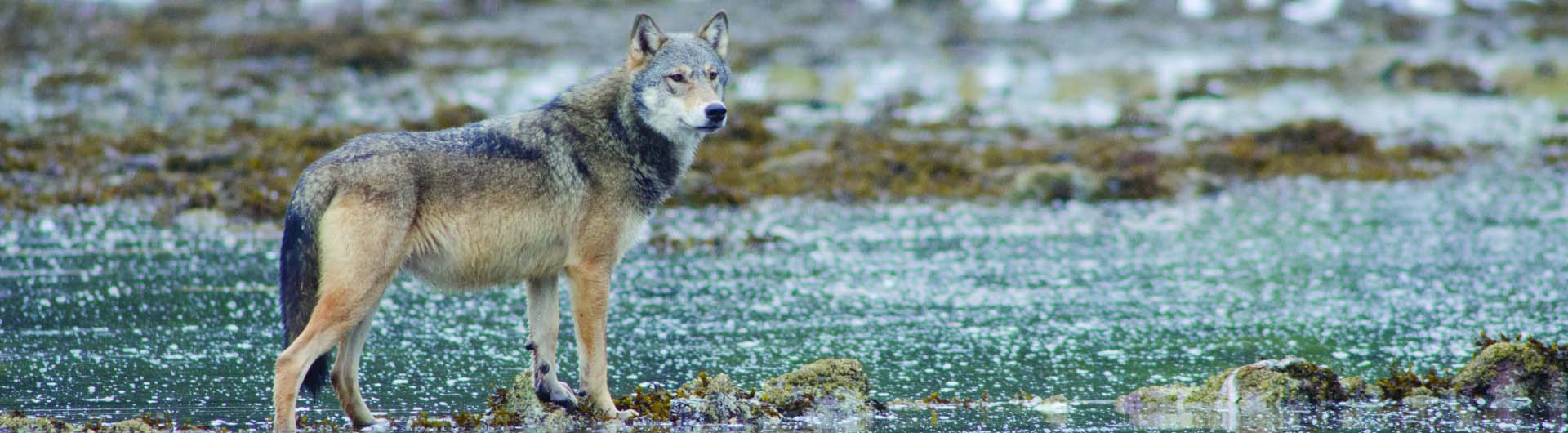
Haíɫzaqv Wolf and Biodiversity Project – learning from, and about the Place of Wolves
More than a viral moment: The wolves, region, and project changing how we understand wolves and our relationships to them.
A remarkable video of a wolf pulling a crab trap out of the water recently captured the world’s attention, but that is just one small part of the story. Join ESF Assistant Professor Dr. Kyle Artelle as he shares the research, relationships, and Indigenous partnerships behind the first documented evidence of wolves using tools in the wild. Learn about how collaboration with the Haíɫzaqv Nation is leading to this and other unexpected insights — and what they reveal about wolves, conservation, and our shared future.
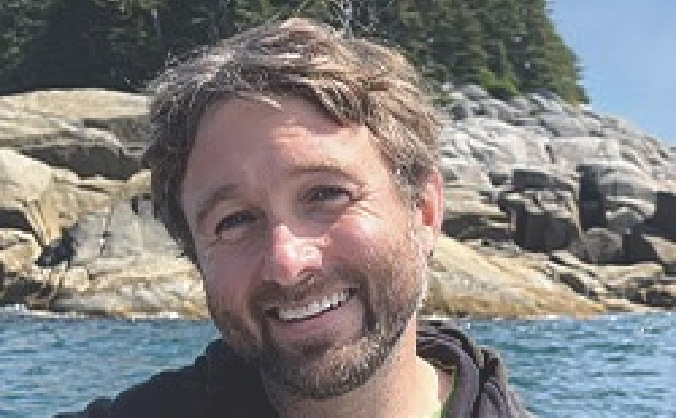
Dr. Kyle Artelle
Assistant Professor in the Department of Environmental Biology, SUNY ESF Faculty Co-Director
of ESF's Center for Native Peoples and the Environment (CNPE).
Kyle Artelle is an assistant professor in the Department of Environmental Biology and faculty co-director of the Center for Native Peoples and the Environment at the SUNY College of Environmental Science and Forestry (ESF). Since joining ESF, he has advanced the college’s leadership in conservation science by integrating ecological research with Indigenous stewardship, community partnerships, and place-based learning. Through his teaching and mentorship, Artelle encourages students to approach complex environmental challenges through both scientific inquiry and Indigenous perspectives.
His research focuses on conservation that supports both biodiversity and the communities connected to it.
Working in long-standing partnership with Indigenous Nations on the Central Coast of British Columbia, his research explores wildlife ecology, human-wildlife coexistence, and Indigenous-led stewardship, with a particular focus on culturally significant species including wolves, black bears, and grizzly bears.
At ESF, Artelle leads innovative, minimally invasive wildlife research that uses tools such as remote cameras, acoustic monitoring, and non-invasive genetic sampling. His current work on wolf populations in British Columbia’s Great Bear Rainforest — conducted in partnership with the Haíɫzaqv (Heiltsuk) Nation — is providing new insights into pack behavior, stability, and coexistence while demonstrating how Indigenous leadership and scientific research can work together to advance conservation.
Artelle earned his Ph.D. in Biological Sciences from Simon Fraser University and completed a Banting Postdoctoral Fellowship at the University of British Columbia Okanagan before joining ESF.
The Dale L. Travis Lecture Series is made possible thanks to a gift from Dale L. Travis ’59.
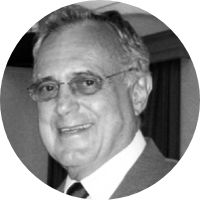
About Dale L. Travis
Ten years after graduating from ESF (Wood Products Engineering ’59), Dale Travis was
transferred to New York City by U.S. Plywood. Shortly thereafter, Dale founded his
own business, Dale Travis Associates (DTA) to produce fine architectural signage.
DTA works with some of the most prominent architects and graphic designers in the
world. Its exterior and interior signs distinguish corporate buildings and museums
across the country. Recent museum projects include the Metropolitan Museum of Art,
the American Museum of Natural History, the Rose Center (Hayden Planetarium), and
the Morgan Library & Museum. DTA were privileged to carve the cornerstones for 1 World
Trade Center and 4 World Trade Center. DTA are a member of the Society of Environmental
Graphic Designers.
2025
Dr. James Gibbs: Giants of Change: The Past, Present, and Future of Galápagos Tortoises
2024
Jonathan Cohen: Flight to Recovery: Protecting the Piping Plover — The inspiring story of remarkable efforts to save a tiny bird.
2023
Aidan Ackerman: The forest isn't real — Through virtual reality, we can explore landscapes — from tree-dense forests to urban treescapes — that show the effects of time and climate change.
2022
Dr. Robin Wall Kimmerer: Returning the Gift — The role of a nature writer on the edge of climate catastrophe.
2018
Dr. Timothy Volk: Shrub Willow: RX for a healthier planet
Dr. John Farrell: Big Fish in the Balance: Research and Conservation in a Changing Environment
2017
Dr. Jacqueline Frair: Top Dog? The Ecological Role of the Coyote in Northeastern Forests
2016
Dr. James Gibbs: Restoring the Giant Tortoise Dynasties of Galapagos
Dr. Neil H. Ringler: Renewal of a Jewel — Onondaga Lake: Effective Collaboration Among Students, Scientists,
Agencies and Private Enterprise
Karin Limburg, John Waldman, James Prosek, David Doubilet and Jennifer Hayes: The Future of Fisheries: Choices, Decisions, and the Role of the Arts
2015
George Curry, Distinguished Teaching Professor Emeritus: FDR, ESF, NPS at the Roosevelt Estate
2014
Dr. Robin W. Kimmerer: The Honorable Harvest: Indigenous Knowledge and Conservation
Dr. Donald Stewart: Seeking and Saving the Diversity of Arapaima: Giant Air-Breathing Fishes of the
Amazon
2013
Dr. William A. Powell: Return of the King: Restoring the American Chestnut Tree
Dr. James P. Gibbs: On the Brink — Saving Russia’s Last Snow Leopards